
Introduction: The Future of B2B Event Streaming
As the landscape of corporate events evolves, so does the need for innovative and immersive virtual environments that reflect the identity of modern brands. Leveraging 3D environments in B2B event streaming is becoming a keystone strategy for companies aiming to engage audiences with compelling experiences. This article delves into the technical intricacies of employing 3D environments, offering enterprise-level solutions for hybrid production technologies that blend physical and virtual spaces seamlessly.
Integrating 3D Environments into Live Event Production
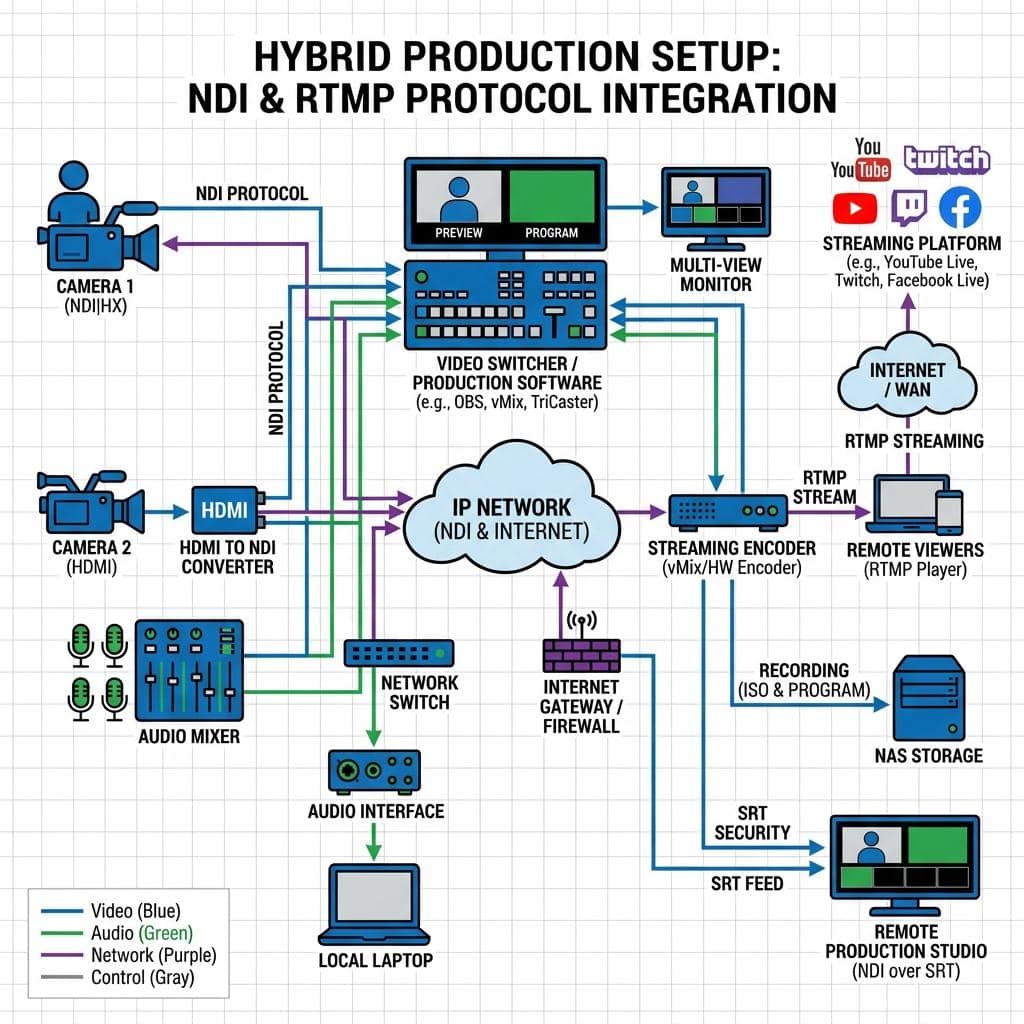
The integration of 3D environments into live event production requires not only creative vision but also a robust technological framework. Utilizing protocols such as NDI (Network Device Interface) and RTMP (Real-Time Messaging Protocol), production teams can efficiently transport video, audio, and data signals over IP networks. This aids in creating interactive, multi-camera production setups where video switching and signal routing are of paramount importance.
Enterprise-Grade Streaming Protocols and Encoding Standards
At the core of any high-quality streaming setup are the protocols and encoding standards that enable seamless integration. Secure Reliable Transport (SRT) has emerged as a leading protocol for ensuring low latency and high security. Coupled with H.264 and H.265 encoding, these protocols enable efficient bandwidth management and optimize streaming quality for global audiences.
Multi-Camera Production Setups and Switching Systems
In the realm of B2B events, multi-camera setups offer a dynamic viewing experience, essential for engaging both in-person and remote participants. Professional broadcast cameras connected via SDI (Serial Digital Interface) or HDMI 2.1 feed video into switching systems that manage program feeds and multiview outputs. Advanced video switchers enable seamless transitions and incorporate ISO recording capabilities for capturing each camera angle individually.
Building a Scalable Hybrid Event Streaming Infrastructure
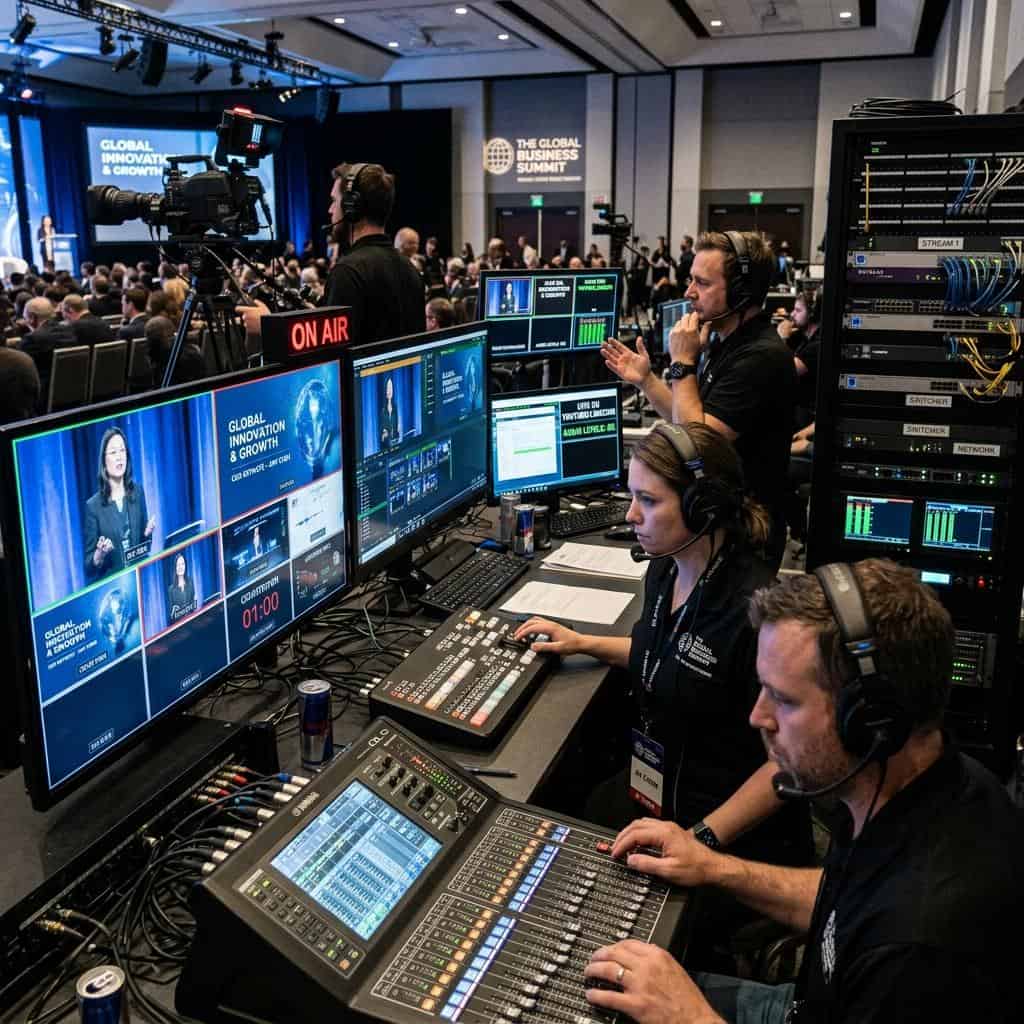
Hybrid events require a meticulously designed infrastructure capable of supporting both physical and virtual components. This involves deploying robust audio/video signal flow architectures and strategic network infrastructure planning. The decision between cloud-based and on-premise solutions depends on the event’s scale and complexity.
Network Infrastructure and Redundancy Strategies
Professional-grade network infrastructure is the backbone of any successful streaming setup. High-speed internet connections with redundancy plans are essential for preventing disruptions. Implementation of Quality of Service (QoS) protocols ensures that audio and video signals maintain priority over the network, reducing latency and enhancing viewer experience.
Integration with Enterprise Platforms
Seamless integration with platforms such as Microsoft Teams, Zoom, and Webex extends the reach of hybrid events. These integrations not only facilitate attendee engagement but also provide analytics tools for measuring impact and success. Leveraging APIs and SDKs, these platforms enable custom workflows tailored to enterprise needs.
Real-World Applications and Production Insights
Practical implementation of 3D environments can be witnessed in various corporate settings, from virtual conferences to product launches. Production teams must remain flexible, adapting to new technologies while adhering to industry standards like SMPTE (Society of Motion Picture and Television Engineers) guidelines for broadcasting.
Actionable Recommendations for Enterprise Streaming
For event planners and IT directors, investing in next-generation streaming technologies ensures readiness for future demands. Employing advanced production workflows, securing data pathways, and maintaining robust support systems for audio/video signal flow are crucial steps for delivering high-impact events.
By embracing the potential of 3D environments, businesses can create immersive brand experiences that resonate with both physical and virtual audiences alike. The future of B2B event streaming lies in integrating these advanced technological solutions, ensuring brands not only keep pace with innovation but also set new benchmarks for engagement and participation.
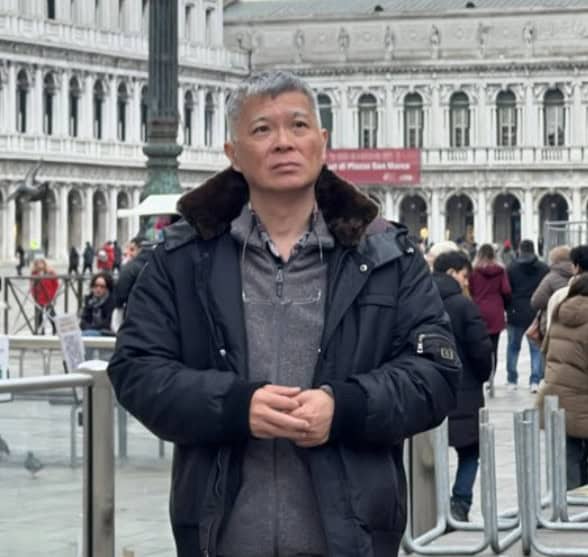
Michael Koh is a production specialist and entrepreneur who founded Spring Forest Studio in 2017 to provide event and virtual production solutions in Singapore. He specialises in hybrid live streaming, XR (Extended Reality) virtual production, and studio systems integration, transitioning the business from traditional videography to advanced corporate broadcasting. Operating out of a dedicated facility at NordCom2 in Singapore, he leads a technical crew to deliver multi-camera webcasts, digital sets, and technical consultations for large-scale corporate events.