
The XR Revolution in Product Launches
In the fast-paced world of technology, Extended Reality (XR) is transforming how businesses in Singapore present their products. As the line between the physical and digital worlds blurs, XR applications are becoming a cornerstone for effective B2B event streaming and hybrid production. This shift is especially prevalent in high-profile enterprise settings that demand cutting-edge solutions to engage both in-person and virtual audiences. Technologies like AR (Augmented Reality), VR (Virtual Reality), and MR (Mixed Reality) are being adopted to create immersive product launch experiences that resonate deeply with stakeholders.
The Technical Infrastructure of XR in Live Events
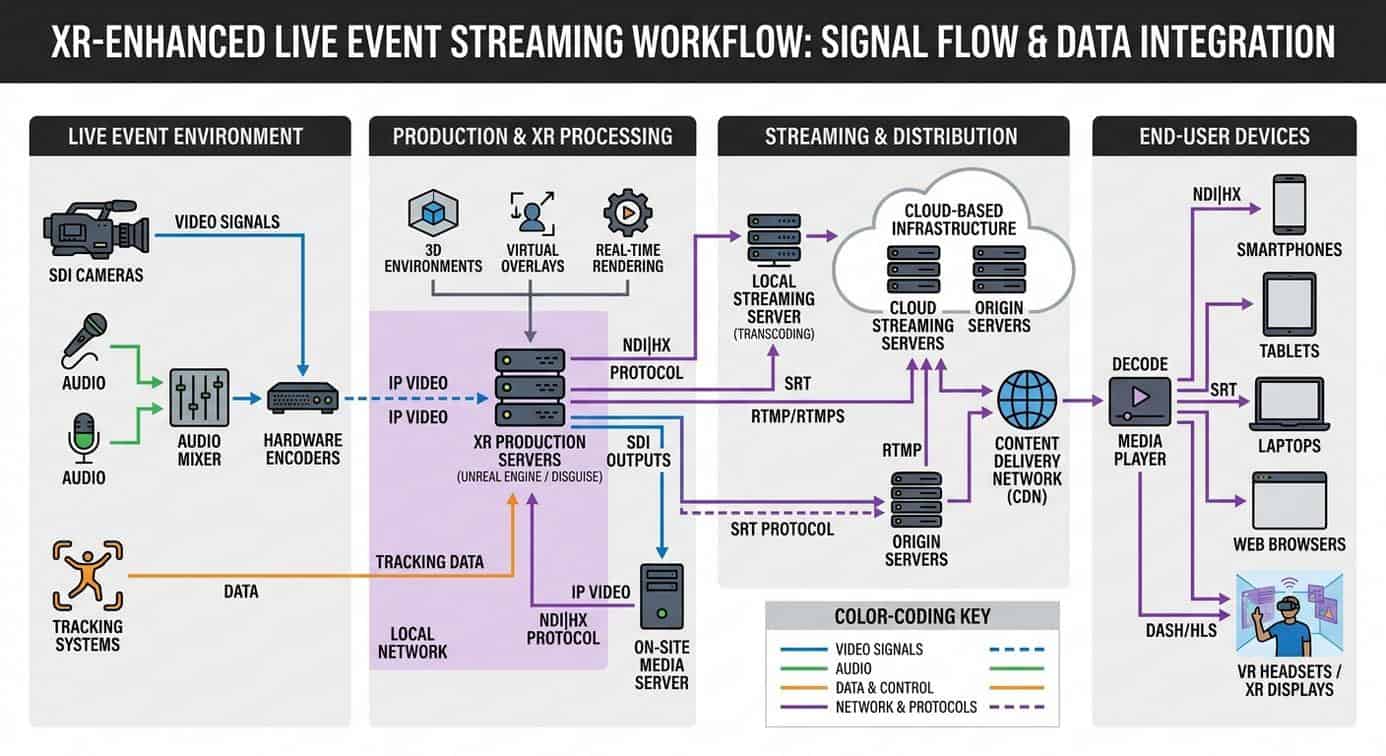
Implementing XR technology in live events requires a robust technical infrastructure. Central to these setups are advanced multi-camera production systems utilizing SDI (Serial Digital Interface) and HDMI 2.1, enabling high-resolution 4K/UHD video capture. The real-time processing capabilities offered by NDI|HX (Network Device Interface) allow seamless integration of virtual assets with live footage, significantly enhancing viewer engagement.
Network and Streaming Protocols
The heart of XR-enhanced launches lies in the streaming protocols employed. Secure Reliable Transport (SRT) and Real-Time Messaging Protocol (RTMP/RTMPS) ensure high-quality, low-latency streaming to diverse platforms. Bandwidth considerations are crucial, with typical requirements ranging from 10 Mbps for standard streams to 50 Mbps for multi-layered AR/VR content. Infrastructure must support latency optimization, often limited to sub-100 ms for a seamless experience.
Integrating Hybrid Event Solutions
For enterprises, the challenge lies in blending physical and virtual experiences into cohesive hybrid events. On-premise installations are integrated with cloud-based solutions to leverage flexibility, scalability, and redundancy. Companies like ours utilize NDI technology to synchronize video sources across locations, providing real-time switching and routing capabilities. This approach is vital for maintaining signal integrity and synchronization across diverse media channels.
Audio and Video Signal Routing
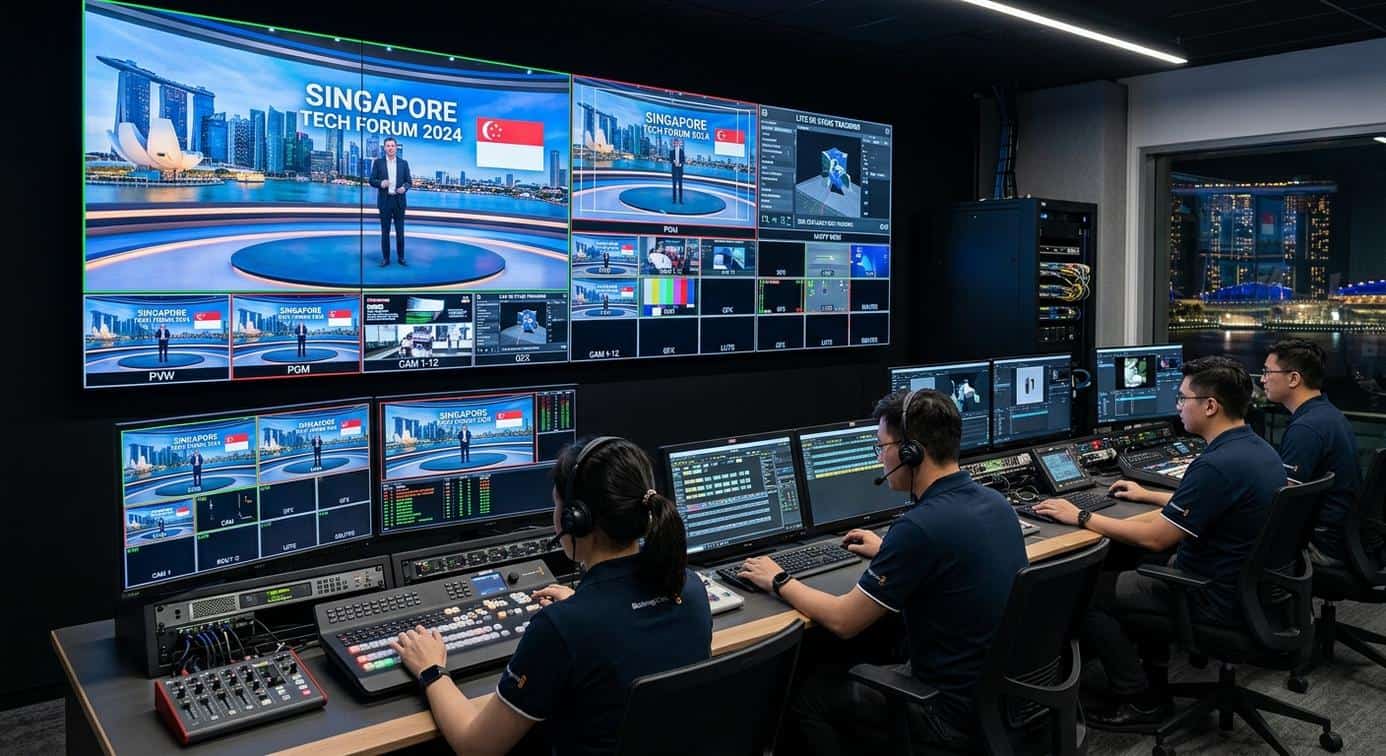
Advanced audio-video signal flow architectures are imperative. Using AoIP (Audio over IP) systems, such as Dante, ensures precise audio routing, while video signals benefit from the robustness of SMPTE standards. These configurations allow for sophisticated features like ISO recording and color grading, crucial for high-quality production outputs.
Enterprise-Grade Protocols and Quality Assurance
Adherence to industry standards like SMPTE and ISO is fundamental to professional XR production. H.264 and H.265 codecs are extensively used for their efficient compression capabilities, optimizing streaming quality without compromising on performance. We prioritize quality of service through proactive monitoring and redundancy setups, including dual-path internet connections and automatic failover systems to mitigate risks and ensure uninterrupted live broadcasts.
Scalability and Integration
For large-scale corporate events, our setups are designed to scale seamlessly. Integration with enterprise platforms like Microsoft Teams, Zoom, and Webex enhances the interactivity and reach of hybrid events. Our expert team provides actionable recommendations tailored to the specific needs of each client, ensuring that technological investments translate into strategic advantages.
Conclusion: Transforming Product Launches with XR
Extended Reality is not just a technological trend—it’s a pivotal innovation shaping the future of B2B events in Singapore. By leveraging state-of-the-art infrastructure, adaptive technologies, and expert production services, companies can deliver unforgettable experiences that captivate audiences and drive business success.
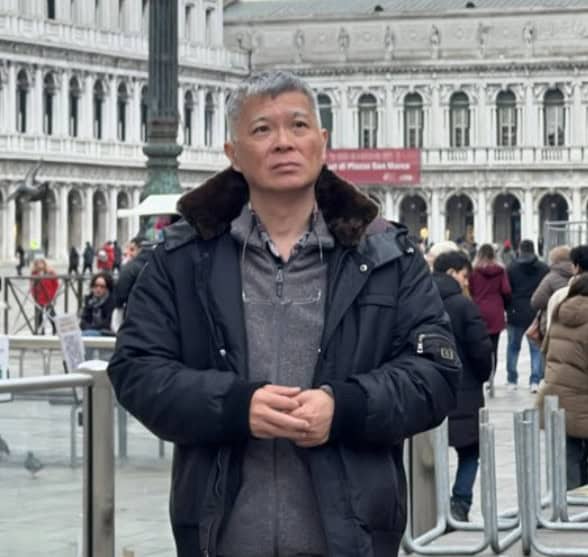
Michael Koh is a production specialist and entrepreneur who founded Spring Forest Studio in 2017 to provide event and virtual production solutions in Singapore. He specialises in hybrid live streaming, XR (Extended Reality) virtual production, and studio systems integration, transitioning the business from traditional videography to advanced corporate broadcasting. Operating out of a dedicated facility at NordCom2 in Singapore, he leads a technical crew to deliver multi-camera webcasts, digital sets, and technical consultations for large-scale corporate events.